Charging at Fountains Abbey

Fountains Abbey

More and more National Trust properties are putting in EV charging stations. These are mainly fast chargers, which means they are the slower 11kWh chargers, which are in fact ideal when visiting a property.

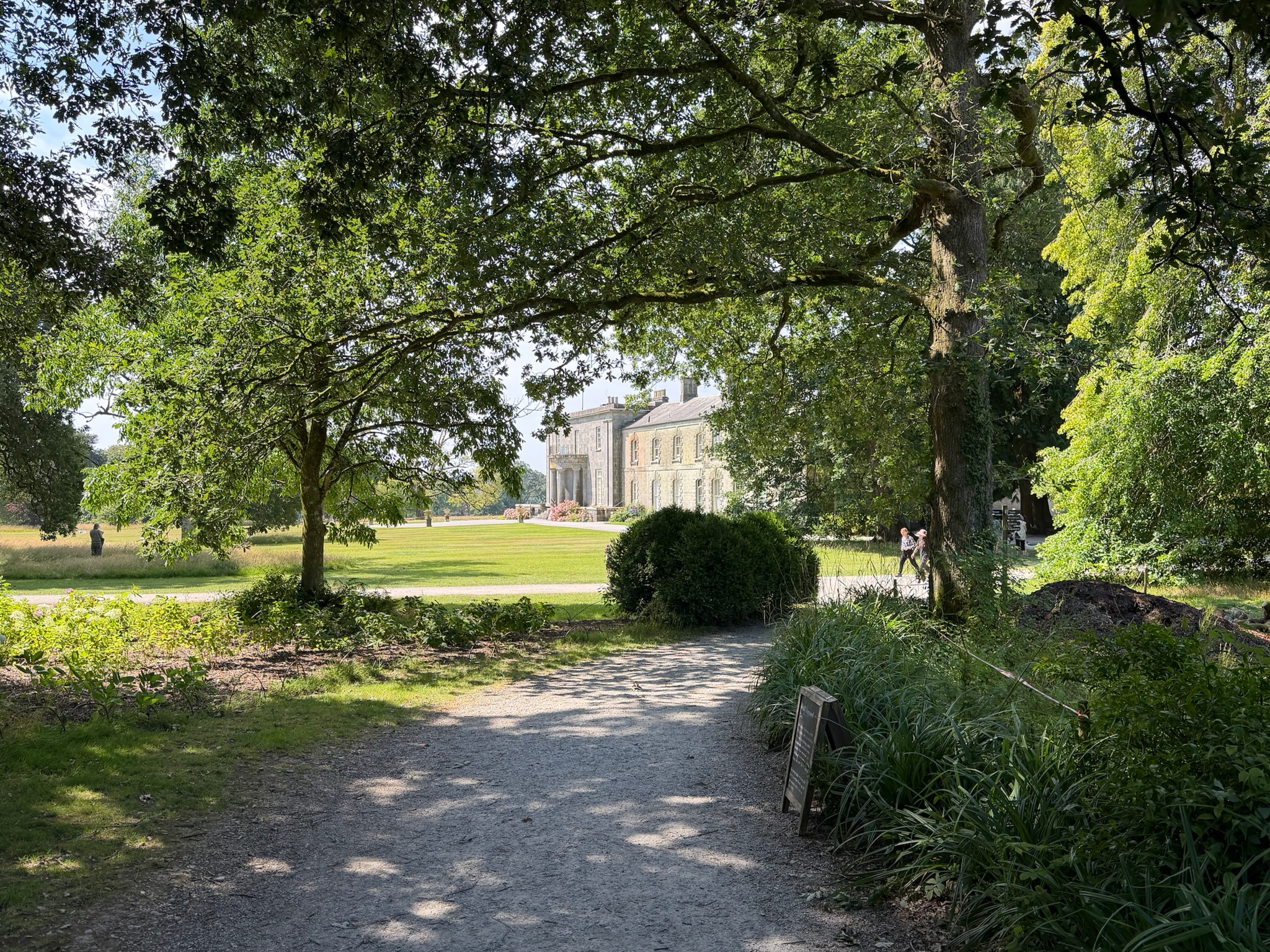
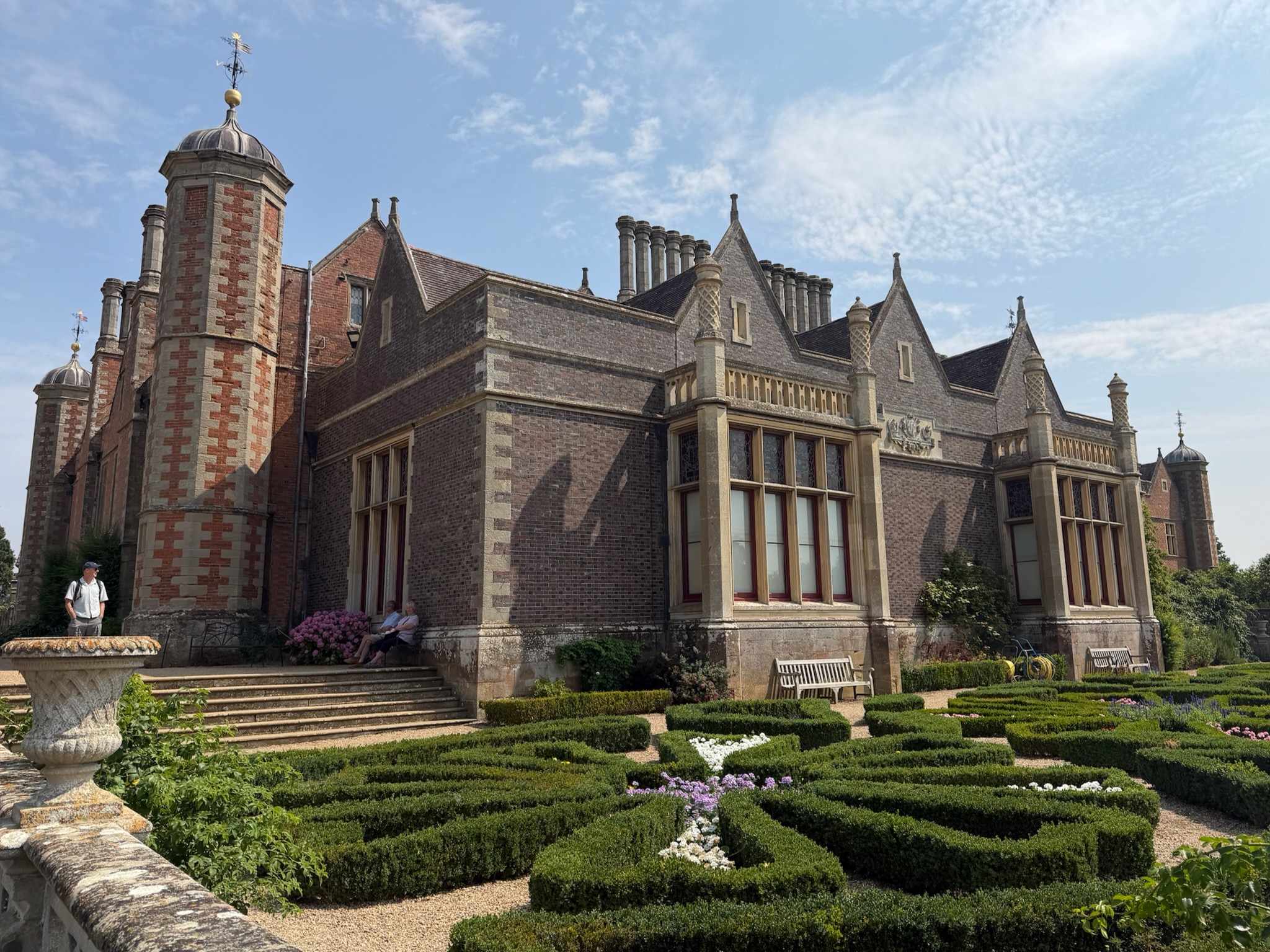
I recently visited Fountains Abbey in North Yorkshire. The directions for the EV chargers wasn’t very clear, but I eventually found them in car park A. I plugged the car in and set it charging by using Apple Pay on my iPhone. Unlike many other chargers which use contactless they only take a £15 hold on your card. 

I had quite a low charge on the car, and in the end I added 35kW to the car. That took just over three hours which was more than enough time to explore the ruins of the abbey and have a nice walk in the gardens. I even stopped for a scone and a pot of tea.

I did think (initially) that the 50p kWH was reasonable, but this doesn’t include 20% VAT, I had misread the screen. So the actual cost is 60p kWh, which is still okay, but I do think it could be cheaper.

I was lucky in that there were plenty of chargers free, however I went on a weekday in April. I can imagine at weekends, during school holidays, and in the summer, it must be much busier and I would be cautious about arriving and relying on the EV chargers being available. The very fact that they are 11kWh chargers does mean that this isn’t a super rapid charge, but the type of charger where you are going to leave your car for a fair number of hours, even the whole day. The problem with rapid chargers can be, was was apparent at Stourhead is that the attached cables are prone to being cut off and stolen, and most National Trust properties are in rural locations. Hopefully something could be sorted to avoid cable theft so that rapid chargers can be used.

Charging once more at the National Trust

Castle

More and more National Trust properties are putting in EV charging stations. These are mainly fast chargers, which means they are the slower 11kWh chargers, which are in fact ideal when visiting a property.

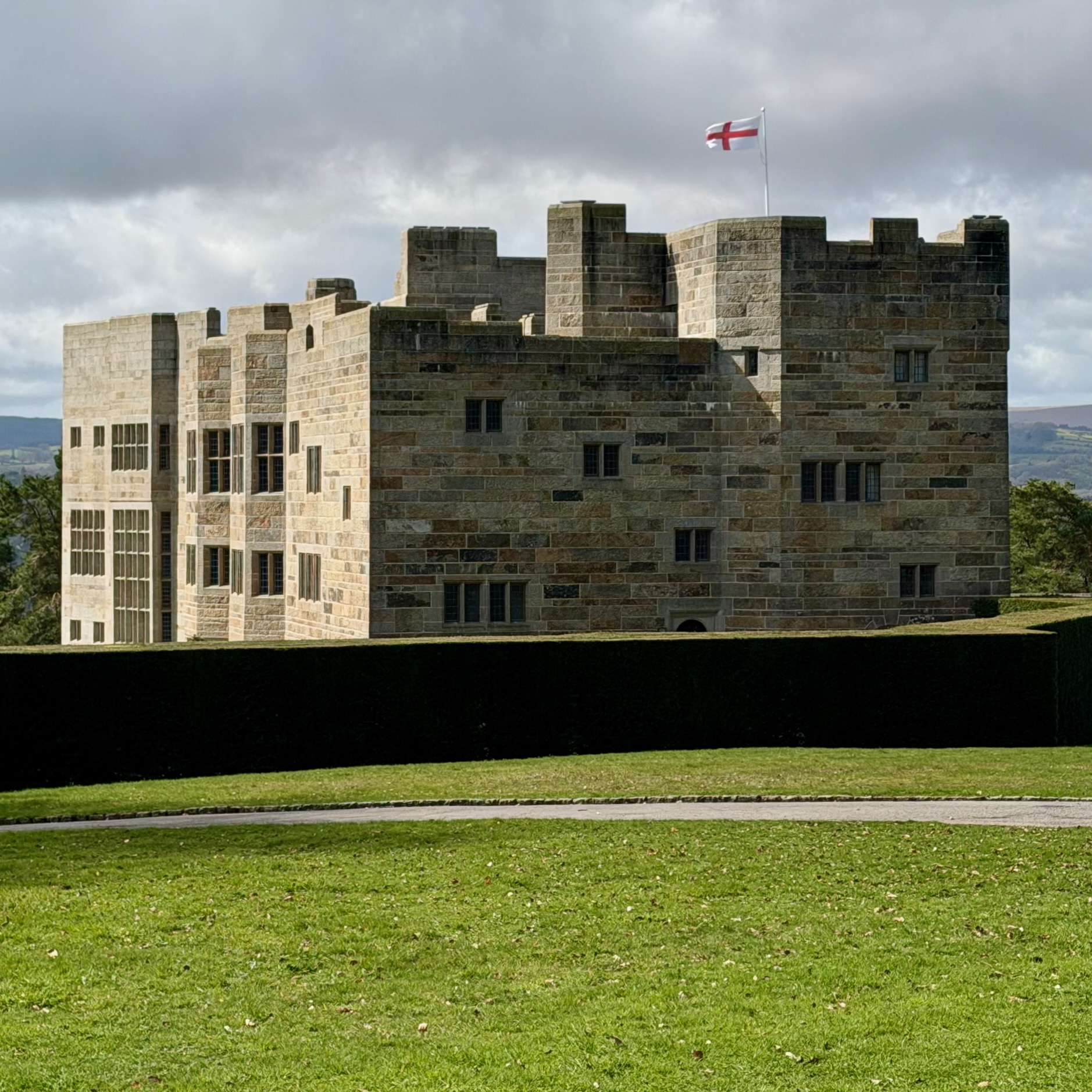
I recently visited Castle Drogo down in Devon, upon my arrival I was able to park and connect my car to the charger. You can use the Chargepoint app if you want, I though used contactless. Unlike many other chargers which use contactless they only take a £15 hold on your card. BP Pulse took a £50 hold on a recent charge in comparison. The cost was 50p kWh which I thought was reasonable for a public charger.

What this meant of course, was when my visit to the property was over, the Funky Cat was at a 100% charge ready for the journey home.

Charging at the National Trust

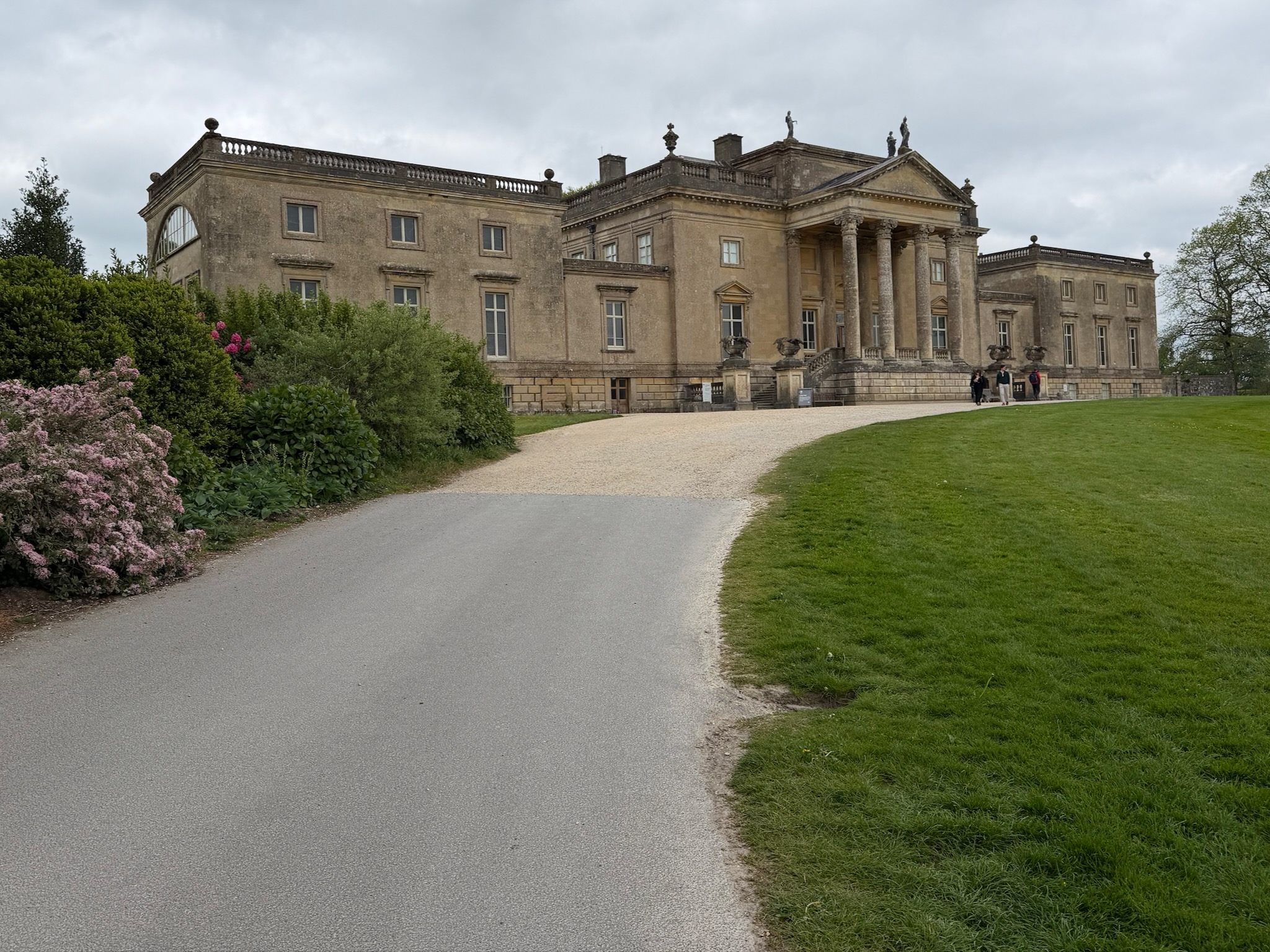
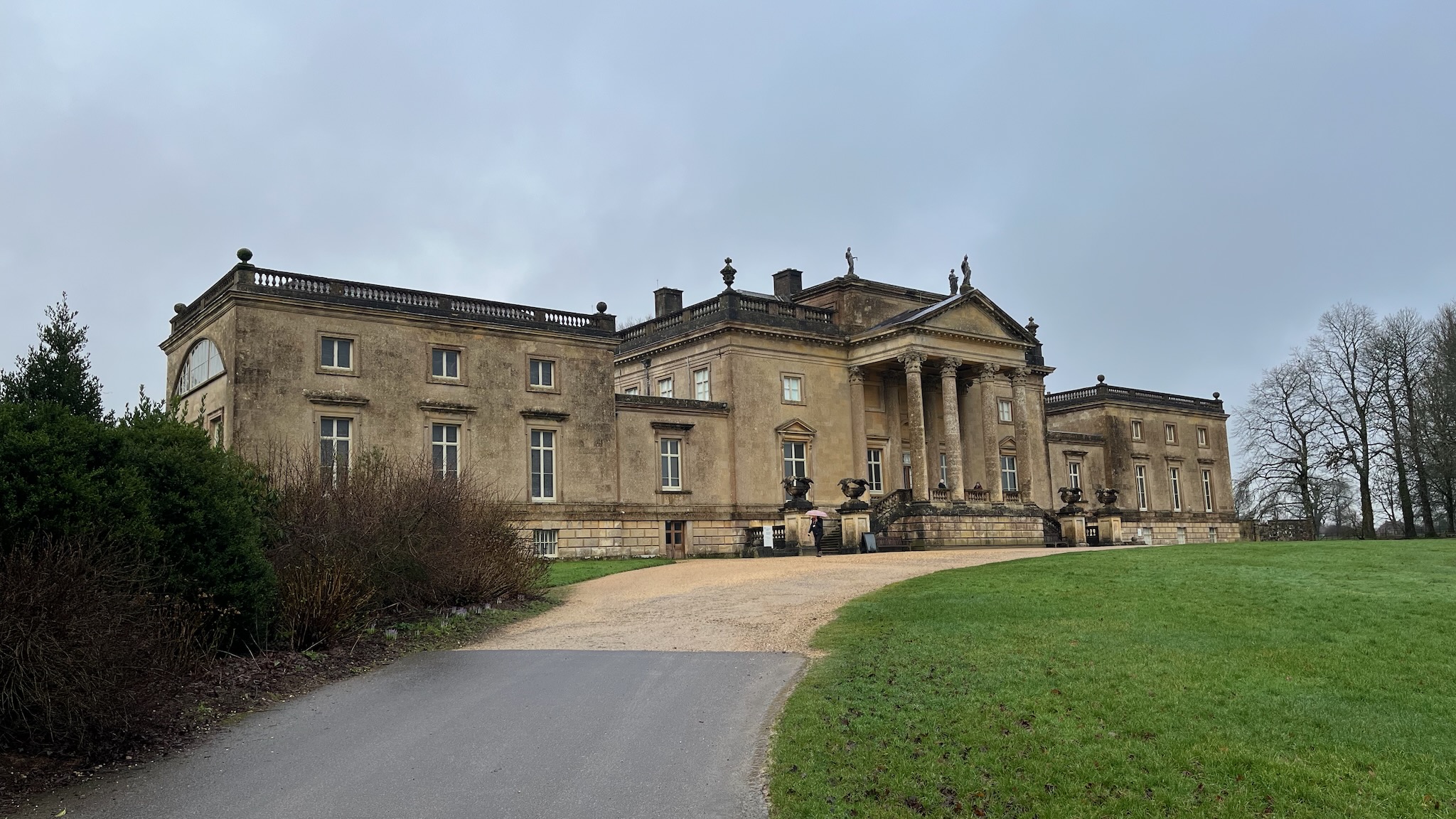
I recently visited Stourhead, my last visit was nearly ten years ago back in May 2016.

 Having arrived at the property, I was pleased to see EV chargers, so I put the Funky Cat on charge. I could use contactless to start the charge, though if you have the ChargePoint app you can use that. I did in fact try to use the ChargePoint app, which then attempted to charge my debit card, which the bank blocked. No idea why, so I avoided the app and used ApplePay instead.

As well as 22 kWh EV chargers, Stourhead also had some rapid chargers which looked like they could deliver more charge (so faster charging). I was less pleased to see that there had been a cable theft from the rapid chargers.

It all worked out using the 22kWh chargers, though the Funky Cat can only draw down 11KwH.

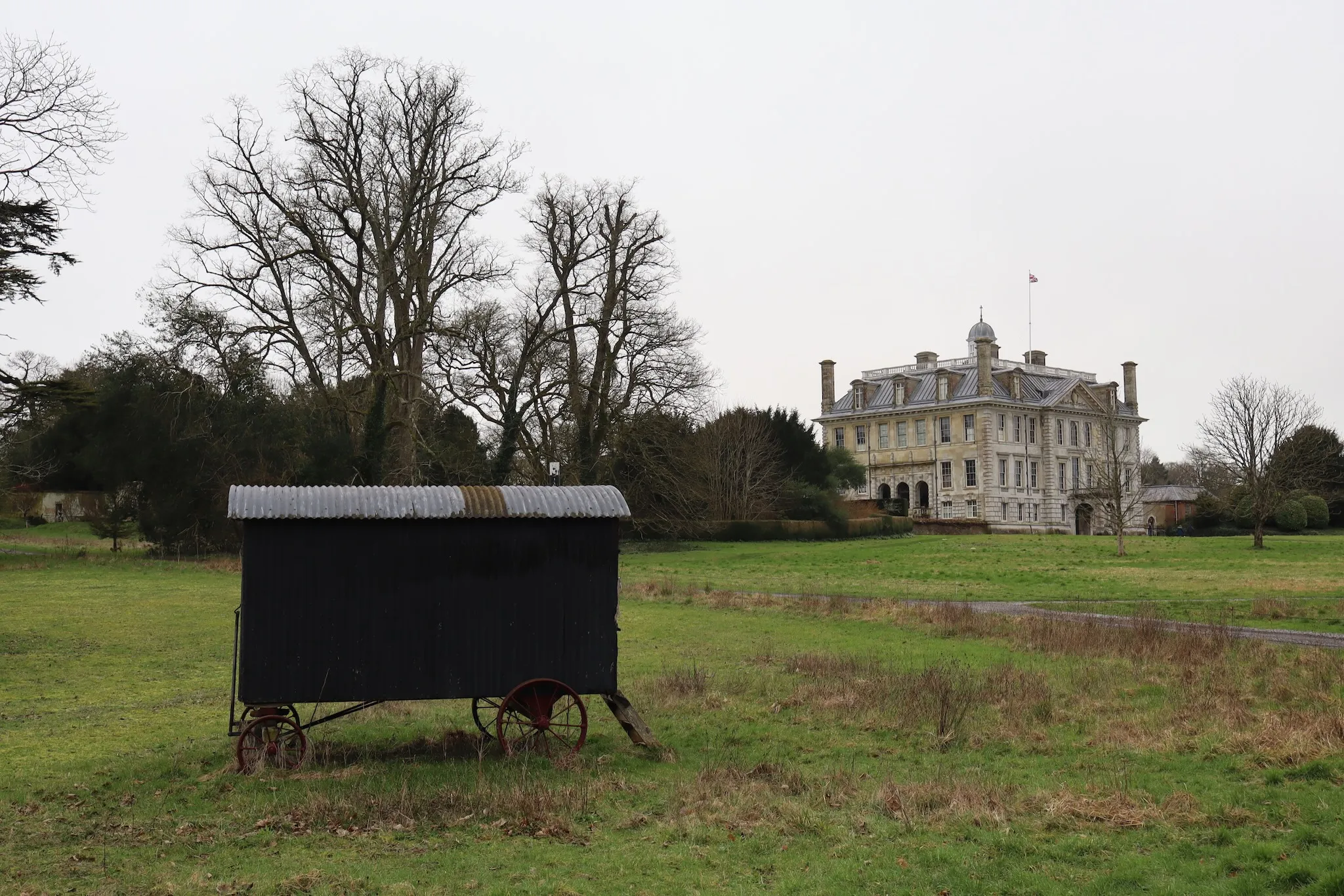
When a couple of weeks later, I made a trip to Kingston Lacy, another National Trust property down in Dorset I was pleased to see they also had chargers. I headed to the EV charging and I put the Funky Cat on charge.

By the time I finished my visit to the house and gardens, the Funky Cat was at 100%. I had time left, and it was only twenty miles away I headed off to Corfe Castle.

I parked in the National Trust car park, and was pleased to see they also had EV chargers. I didn’t put the car on charge, but with hindsight, it might have been a good idea, but I hadn’t used that much charge travelling there. In the end I didn’t need to charge on my way home.

With the often rural locations, travelling to National Trust properties often means finding a charge on the way there or the way home. However, as the National Trust starts to install more chargers at different properties it becomes a lot easier for EV drivers.