Reducing Roaming Costs

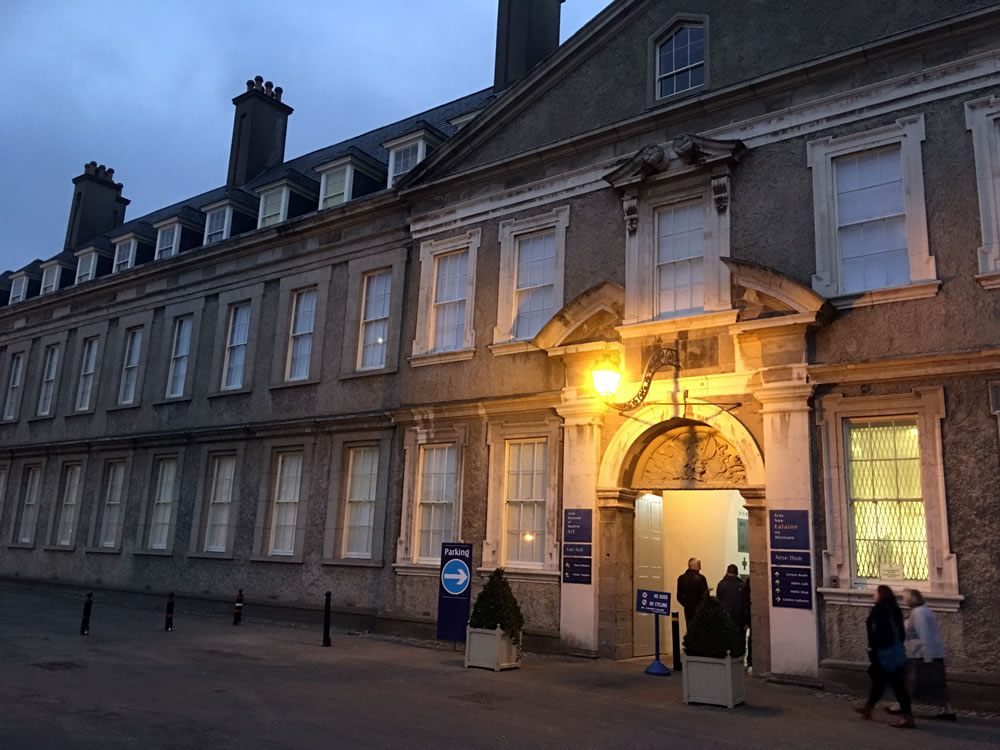
Royal Hospital Kilmainham

Last week I was in Dublin for the LILAC 16 conference. The last time I was in Ireland was in 2012. Back then I was on an EE contract and when I arrived at Dublin Airport I tuned flight mode on, on my iPhone as I didn’t want to incur huge roaming charges. There was quite a few press stories (and still are now and again) on people taking their smartphones abroad and racking up huge charges in their phones because of the way modern phones use data. I spent the week using wifi and making the odd call home when needed.

Since then there has been new EU legislation on roaming charges. I also have moved away from EE and have a new contract with Three using an iPhone 6S Plus. The contract gives me unlimited data on the phone as well as unlimited texts and a generous number of minutes, well who uses their phones for making calls these days?

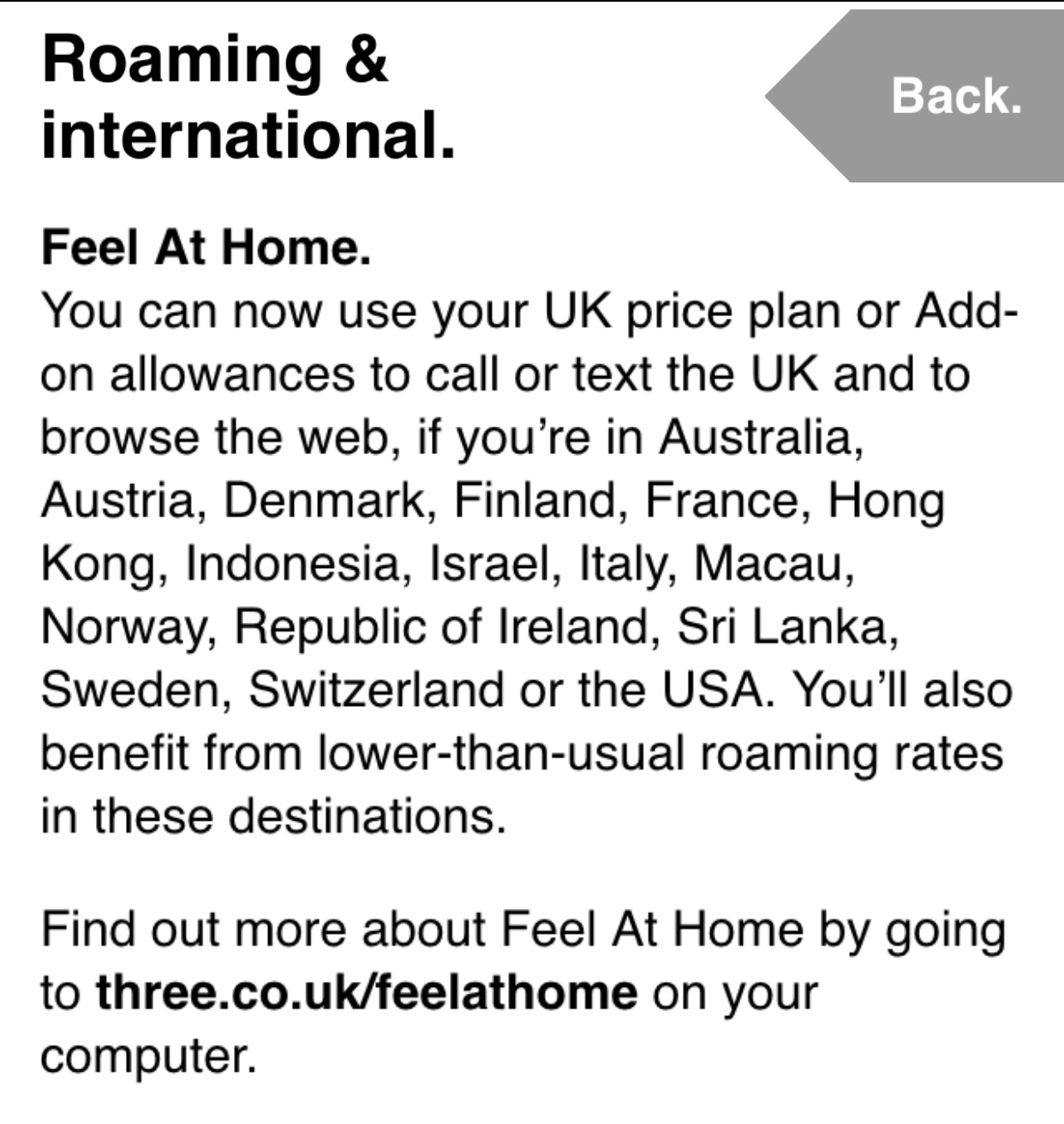
So before this visit to Dublin I checked the Three website and was pleasantly surprised to find out that I could use my phone abroad with no extra costs!

So before this visit to Dublin I checked the Three website and was pleasantly surprised to find out that I could use my phone abroad with no extra costs!

Though I have an unlimited plan, there are some restrictions when using my plan abroad.

If you have all-you-can-eat data you can use up to 12GB. If you have all-you-can-eat texts you can send up to 5,000 texts.

So during my visit I was able to easily join the Three Ireland network, make calls, send texts and use data with no problems or worries. Though it has to be said the UCD eduroam wifi network was excellent and faster than the Three 3G network, whilst the 3G was faster and more reliable than the hotel network. As I was there only three days, the 12GB allowance was more than enough.

After I got back I got a text from Three. According to them I saved £56.36 which was nice.

According to them I saved £56.36 which was nice.

Whirling your iPhone around

One of those cinematic moments that sticks out was the bullet-time scenes in The Matrix. Since then the technique has been used in a range of films, and in the past has involved multiple cameras, tracks, lots of tech and timing!

Now with just an iPhone, a piece of string and a plastic glider you can create some amazing videos. Though not as easy it sounds, did require a fair bit of thinking and experimentation. You can see the process in this fun video.

iPhone 6 Filmmaking Tips and Tricks

Nice useful video with some tips and tricks when using an iPhone to make films.

I am still astounded by the fact that I can use a device, as small and as cheap as the iPhone to create, shoot, edit and share films on. It wasn’t that long ago, that you needed a lot more kit and software to do all this.

If you have an older iPhone, you can still do much of this.

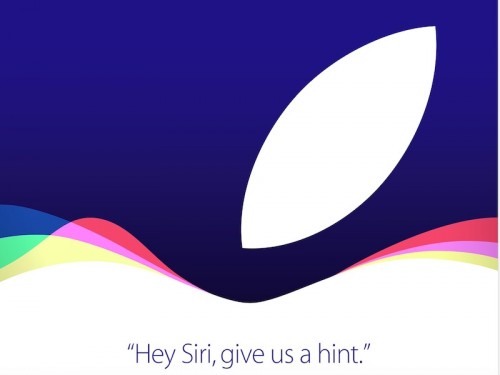
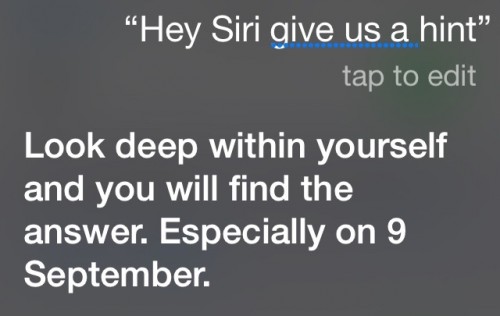
“Hey Siri, give us a hint.”

Apple has sent out their invites for their “annual” iPhone release.

Hey Siri, Give Us a Hint

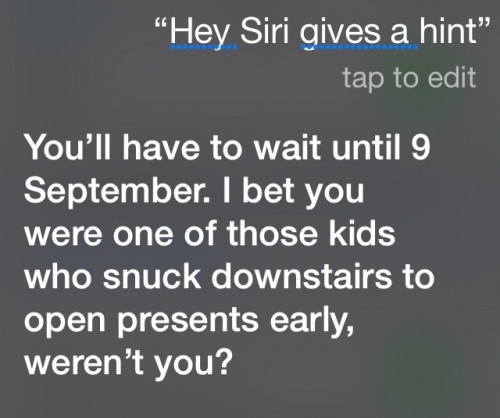
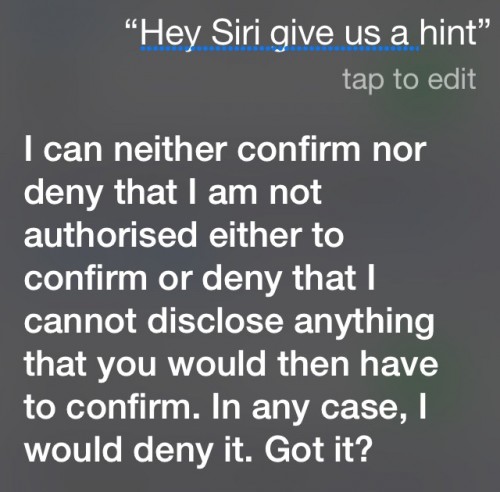
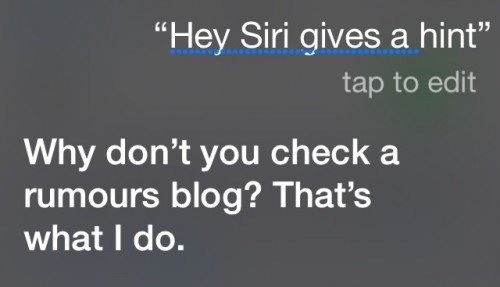
If you ask Siri on your iPhone, to give you a hint, you get some quite witty responses.

IMG_1001

IMG_1002

IMG_1003 - Version 2

IMG_1004

As well as new iPhones, the rumours also say there may be a new Apple TV. That I wouldn’t mind to replace my old 720p model.

Getting Bigger

Phablets by Maria Elena

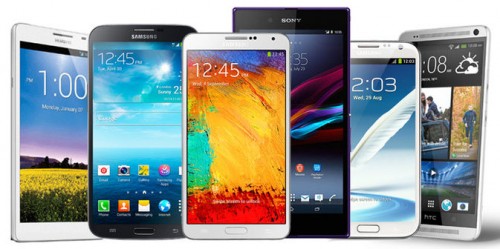
You have probably noticed that over the last few years mobile phones have been getting bigger, and tablets, such as the iPad have been getting smaller. Almost a convergence in terms of size between phones and tablets.

Doing some internet research for another article I found this comment I made on Brian Kelly’s blog post (from 2008) on what devices we would be using in 2013. My main comment was wondering if devices (such as phones) would get bigger!

James Clay said
7 February 2008 at 1:16 pm

I believe that the key difference will be is that the storage capabilities will become less important, as connectivity improves allowing easy access to information and content whenever and wherever you are.

I wonder if the devices will get bigger rather than smaller?

Think about phones, the Nokia N95 is a BIG phone compared to the compact small phones of a few years ago.

The iPod touch screen is so much bigger than the iPod video screen.

Bigger and thinner possibly?

Though for me the downside of all the functionality is battery life and I wonder if there will be minimal improvement in functionality, but a huge leap in the battery life as technology improves the power efficiency of the chips and memory.

As with all things rather than look five years in the future, look five years in the past.

In 2003 I had a phone which could play music, video, had an in-built radio, could surf the net (slowly on a GPRS) connection.

In 2008 I can do all those things but in higher quality and I know where I am (GPS).

In 2013…

I thought it would be interesting to see what said then and see how things have changed and also look forward a little more.

I said back then “I wonder if the devices will get bigger rather than smaller?” well in 2013 we saw the first large phones or phablets. The iPad mini had been released the year before and we had played around with the iPad since 2010, but now we wanted smaller tablets.

Now in 2015, the iPhone 6 and iPhone 6 Plus have been released by Apple and as with many Apple devices, and as I predicted, these are bigger and thinner than the phones we had in 2008.

Connectivity is much better with most new devices able to access 4G speeds, but not all of us can afford to be connected at those speeds.

These larger screens, more powerful connectivity have large power requirements compared to older devices. Back in 2008 I said

I wonder if there will be minimal improvement in functionality, but a huge leap in the battery life as technology improves the power efficiency of the chips and memory.

Manufacturers have improved battery life for their devices, still for most people there is a requirement to charge every day, but at least the battery does last most of the day. I remember having a Nokia N95 and too often the battery would only last half a day as I did use many of the different functions on the phone.

One thing that wasn’t mentioned in the first post was battery life, but I commented on in the following post.

Upon reflection I realised why I carry multiple devices around. The key reason is battery life.

If my phone has GPS, plays video and/or music, internet, acts as a 3G modem for my laptop, oh and makes phone calls; then even with a large battery I don’t expect it to last the day.

Spread the functionality over multiple devices and suddenly I can ensure that I can do all of the above, over catching the 6.30am train to London, all day in a meeting or a conference, and back again to reach home at 7.30pm.

I have multiple devices as a single device can not last for the time I need it.

The one change from 2008 that is much more apparent is the decline of the specialist device and the move to a multi-function device. No longer are we carrying pocket cameras, dedicated music players, video devices, e-book readers; our larger phones now do all that for us and then some…

So what will the device of 2020 look like?

Well that’s more difficult to predict, what do you think?

Image Credit: Maria Elena

iPhone Syncing Issue

iPhone Sync Cable

I rarely synchronise the iPhone with my Mac, since unlike earlier phones there is so much you can do over the air these days.

Syncing it last night I was slightly confused over why it wasn’t syncing. I unplugged and replugged the iPhone into the Mac. No luck.

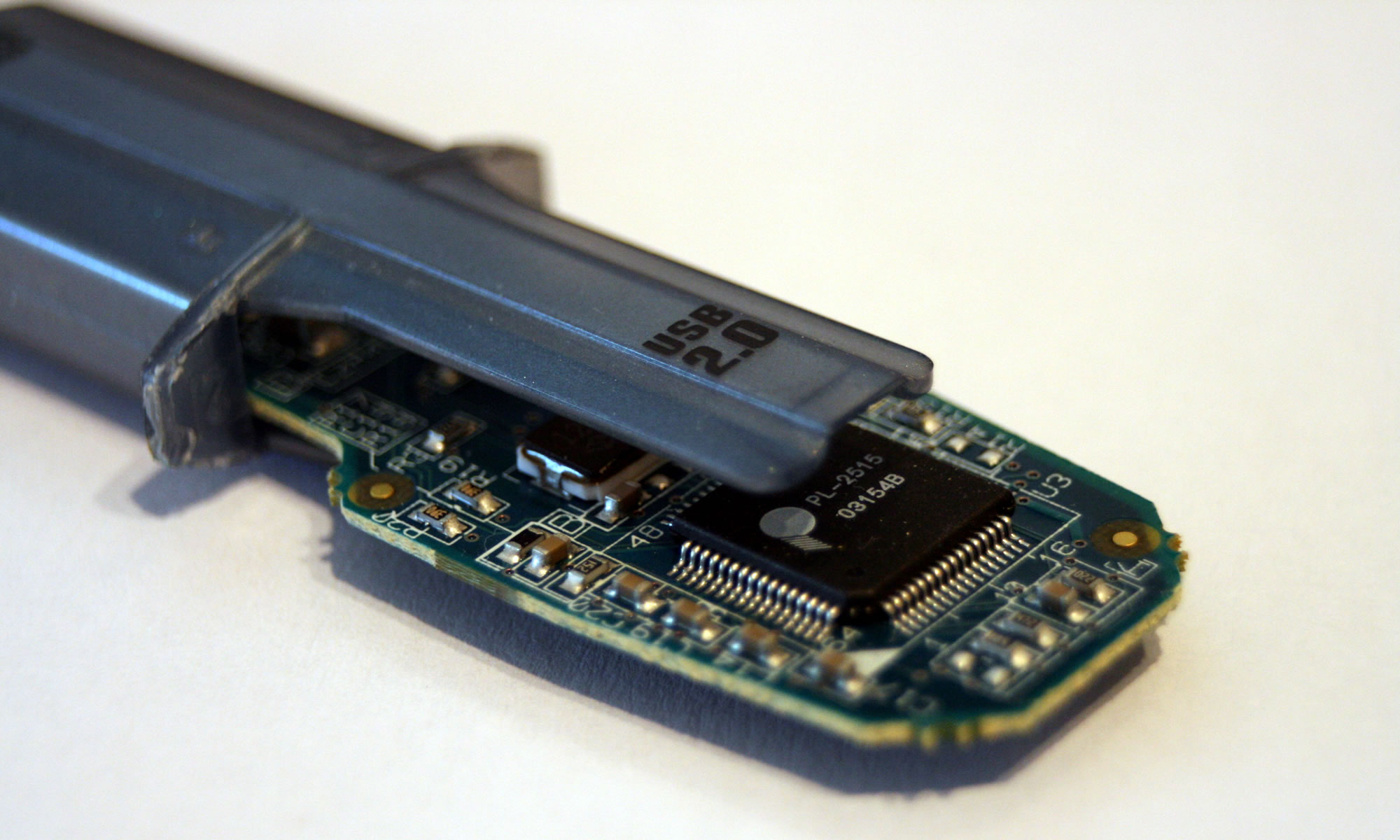
A quick search on Google found that sometimes problems arise if you have an USB drive plugged into your Mac. I knew I had plugged in a USB 32GB stick into the Mac, I unplugged it and removed it, and then the iPhone was able to sync no problem.

It’s no wonder…

I am not surprised that people can sometimes go over their data limits with modern smartphones such as the iPhone.

I was on the Edinburgh Tram system the other day and it offered free wifi, so I connected and signed in. A little disappointed that there was a 20MB data limit on the free wifi

I was astonished to see the data usage on my phone gobble up the data so fast. Within seconds I had already used 3MB, and all I was doing was watching the sign in page.

 I was on the Edinburgh Tram system the other day and it offered free wifi, so I connected and signed in. A little disappointed that there was a 20MB data limit on the free wifi

I am guessing that the phone was doing something in the background, probably checking e-mail, but what this does show is how much (and how fast) smart phones use data. You can start to imagine the bills if you were using your phone abroad or on a limited data contract.

It’s bigger…

Dropped into the Apple Store on my way home, this was an unplanned stop, as due to traffic problems I took the opportunity for a break to take a look at the new iPhone 6 and iPhone 6 plus.

iPhone6 and iPhone 6 Plus

As you might imagine the shop was quite crowded on launch day, but as it was early evening I was able to try out and get a feel for each of the new iPhone 6s.

I did think when I picked up the first iPhone 6 that it was the plus model, as it felt quite large and comparing it to the iPhone 5 it looked much bigger. I then realised that this was not the plus model, just the 4.7” iPhone 6. I then realised how much bigger the 5.5” iPhone 6 Plus is!

It is huge, not as big as some of the Samsung phones, it felt very much like an iPad mini. The 5.5” screen certainly gives you a lot more screen real estate than you get with the 4” screen of the iPhones 4 and 5. I can see how such a device will allow you to increase productivity, and is more usable.

I have read though that unless apps have been optimised for the iPhone 6 Plus they don’t look quite right. I am sure most developers will get round to changing their apps at some point (if they haven’t done already).

I am less sure about the design, the thinness does make it feel lighter than it probably is, but the curves seem more of a backward step, quite retro. The gold version looked like and felt like my Google Nexus One, more brown than gold.

Overall the new iPhone 6 looks and feels much more a response to what has been happening in the smartphone market than something new and innovative, that will make other companies sit up and take notice. The original iPhone and iPad, though not the first touch screen smartphone or tablet, were from a design and technical perspective innovative and game changers. The iPhone 6 is an interesting evolution of the iPhone, but it isn’t a game changer.

Stay hungry, stay foolish

Is Apple innovative?

David Hopkins on the Google+ made an interesting point

Am I missing the innovation everyone holds Apple in such high regard for? All I am seeing is reaction to what is happening elsewhere but no real drive or innovation. The latest updates are in reaction to Dropbox, user keyboards, messaging, widgets/homescreen, etc.

Apple have always been like that, even under Steve Jobs.

What they do best is take ideas from other people and make them really work well for users.

Steve Jobs famously said in 1996:

Picasso had a saying — ‘good artists copy; great artists steal’ — and we have always been shameless about stealing great ideas.

Dynabook

The Dynabook was first revealed in 1973, the HP TC1100 was a fantastic tablet (let down by a poor OS implementation), so when Apple released the iPad in 2010, this wasn’t innovation, this was reinvention of an existing form factor, and what they did was make it work and work well.

There were a few music download services prior to iTunes, but it was iTunes that made it mainstream.

There were many different mp3 players, from companies such as Creative, but it was the iPod which turned the mp3 player from a geeky product to a mainstream need.

The iPhone was, though innovative, most of the touchscreen phones before were clunky and didn’t work very well. What Apple did was take the touch interface to the next level, reinvention again, really.

Even Steve Jobs said reinvent when he announced the iPhone.

An iPod, a phone, an internet mobile communicator… these are NOT three separate devices! And we are calling it iPhone! Today Apple is going to reinvent the phone. And here it is.

Even Steve Jobs said reinvent when he announced the iPhone.

The 11″ MacBook Air is a fantastic piece of kit, but before then we had the Asus EeePC mini-notebooks, and Sony for years were making innovative VAIO laptops.

So following the WWDC keynote where we saw Apple release their version of Dropbox, the iCloud Drive (which replaces iCloud, which replaced MobileMe, which replaced the iDisk!). The previous versions were all a bit “rubbish” in comparison to Dropbox, so it will be interesting to see how iCloud Drive works against Dropbox.

Store any type of file in iCloud and access it on any device. With iCloud Drive, you can organize your files in the cloud the way you like, create as many folders as you want, and add tags to find files faster.

This is a great example of how Apple continues to copy what others do, but also demonstrates that don’t always get it right.

Another example from WWDC is the possibility of using third party keyboards.

iOS 8 brings the biggest changes to the keyboard since the very first iPhone. Now you can tap to choose the perfect suggestion for your next word. And for the first time, third-party keyboards will be available. Typing as you know it might soon be a thing of the past.

Third party keyboards have been a feature of Android phones for a fair while now, this is another example that shows Apple rarely creates something totally new, but takes on board ideas from elsewhere.

In my opinion what makes Apple a success is they focus on the customer experience, learning from what others do and then improve it.

Lastly a quote from Steve

Sometimes when you innovate, you make mistakes. It is best to admit them quickly, and get on with improving your other innovations.