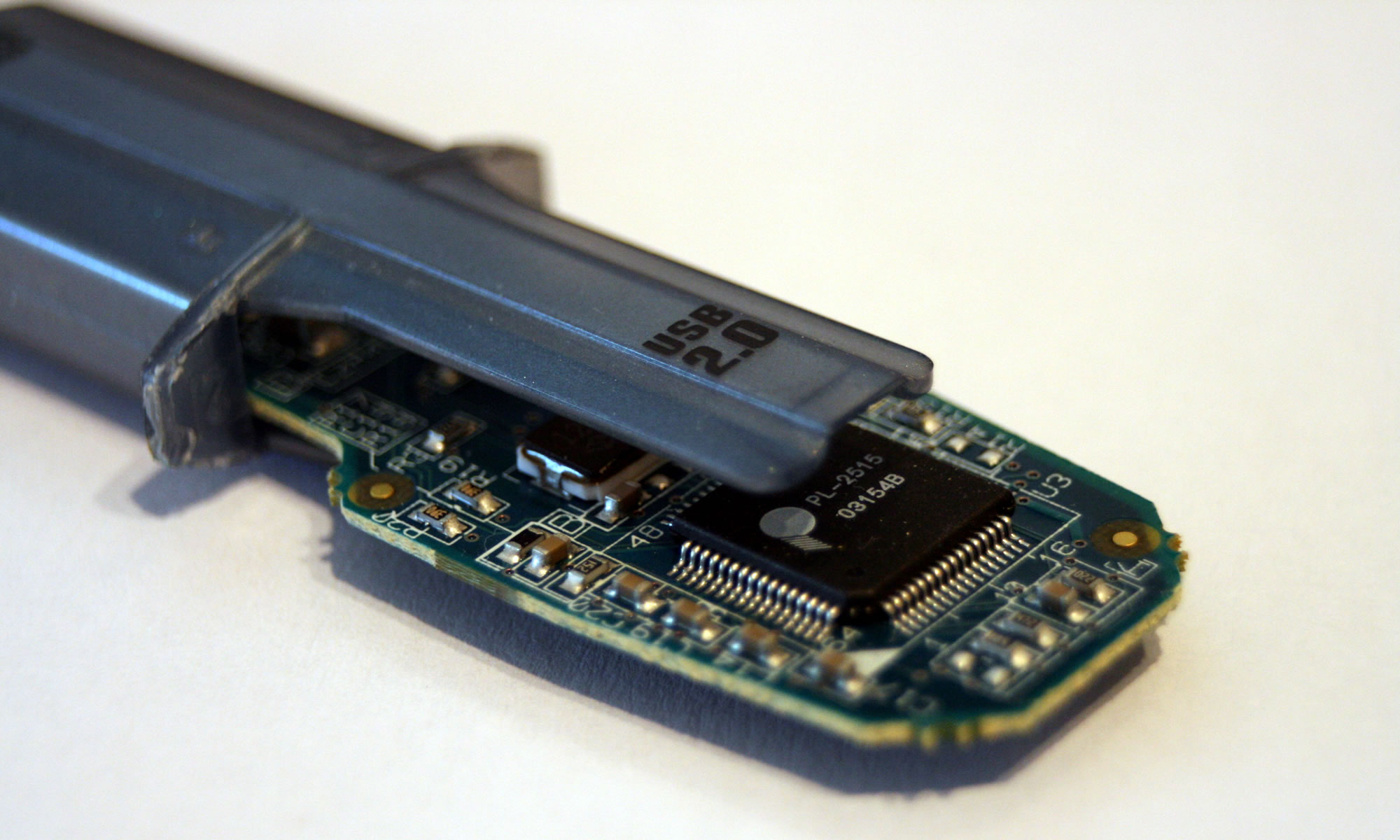
Wrote a blog post about my time at the Western Colleges Consortium. I realised how few photographs I have of my time there. Did find this one of the filing cabinets in 2004 with the big format printer on top.
Oh, that’s a fax machine next to the cabinets.
I didn’t really capture what I did back then in photographs. I didn’t really do as much photography back then as I do now. Part of the reason is I am taking more photographs now, but the second reason was back in 2004, a mobile phone was for making phone calls and sending texts. You didn’t really take photographs with a phone; you used a camera. I did have a camera in 2004, actually I used two, a Canon digital SLR and a small Sony Cybershot. Both actually took good photographs (well not in low light).
Checking the EXIF data of the filing cabinet photograph I realised that this was the first time I took a photograph with my then new Sony Cybershot. That explains the weird shot. Or so I thought, it appears I have a number of Sony Cybershot photographs with a DSC00001 file name. Suspect that the numbering was reset when you either deleted the photographs from the Memory Stick or used a different stick.
In comparison in 2004 I have 1062 photographs in my Mac photos app. In 2024 I took 4517 photographs. This year I have taken less, but in 2024 I did a photo a day which usually mean me taking a lot more photographs.
Of course, before digital, using film in the 1990s and (very) early 2000s, I would probably take three or four rolls of film, with 36 photographs on each roll.
The fickle nature of the web is one of those things that I find annoying. You post a link, embed a video and then a bit later you find that it has gone! This was very apparent today with the news that the BBC are, in order to save money, will close down their recipe website. For me this is a mistake, however I also understand how this can happen, not just with textual content, but also media too.
I understand that with YouTube videos you can get take down notices and the link no longer works, or you are left with the blank player if you have embedded the video into a blog post
There are times though when people have removed a video years later and looking through an old blog post you find the embedded video has disappeared as the obscure service you used has shut down, or was taken over.
A few years ago I had a Nokia N95 and used the Shozu app to upload photographs to Flickr, it also had another feature of creating a WordPress blog post and embedding an image. This was shut down a few years ago, so now I have lots of posts from conferences back in 2008 or thereabouts that consist of basically a blank post. The post title was left and is merely a filename and then you get the blank square with the red cross. It is for these reasons that I try not to embed content from third party sites if I can help it.
A good example of this is from 2008 when I posted a video from the mLearn 2008 conference. I used VideoPress rather than a third party site so my copy is still there on the blog. However I also uploaded the video to YouTube and Blip. However the Blip site is now dead and gone….
One aspect that I do find frustrating is when links disappear. A few weeks ago I tweeted (and Google+’d) a link out about #digitalcapability and wanted to use the link again for something else, so looking over my Google+ profile I found the link, clicked it and got a 404, the missing page error. I checked with the author and he kindly pointed out that the URLs had recently changed and there was a new link. No problem, but I did wonder how long before the URLs changed again or the page disappeared!
Sometimes it isn’t as quick and it can be a few years before the site disappears and the link is no longer live.
Sometimes I think, why do people and companies do this? Then I remember I do this myself and sometimes you have little choice.
Back in 2001 I was appointed Director of the Western Colleges Consortium and we had a website and the URL westerncc.ac.uk and the consortium was wound up in 2006. As a result the website was shut down.
Back in 1998 when I created my first web site I used the free hosting from the ISP. A few years later I moved hosting providers (as I was using too much bandwidth) and had a domain of my own. I did leave the old site on the ISP, but due to bandwidth usage it was eventually shut down!
Sometimes there are things you can do, so for example when I moved my elearning blog from iBlog, which I was using when I was at the Western Colleges Consortium, I initially moved to wordpress.com, so had the URL elearningstuff.wordpress.com. Due to a variety of reasons I decided to move to my own domain elearningstuff.net and imported all the content. However due to the number of incoming links to the elearningstuff.wordpress.com site I used the domain forwarding service from wordpress.com (and still do) so that any links to elearningstuff.wordpress.com are automatically forwarded to elearningstuff.net. So I do try when possible to ensure that existing content on the web is still accessible years later.
In many ways I wasn’t surprised to read on the BBC News that the BBC are to remove existing web content and in the future only have some web content around for 30 days!
Sounds like BBC iPlayer, no these are recipes from BBC food programmes. This is from the BBC News item (and I expect like other BBC News links this will be around for a long time).
The BBC Food website carrying more than 11,000 recipes is to close as part of a plan to cut £15m from the corporation’s online budget, a BBC source has said.
All existing recipes are likely to be archived, though whether some could move to the commercial BBC Good Food website is still to be decided.
TV show recipes will be posted online but only made available for 30 days.
I can just about understand a future policy doing this, but why on earth are they going to remove the existing web archive of content? What is the point of this exercise? There are, as the report says, thousands of recipes online that can be searched, found and used. I use this a lot myself for finding recipes and inspiration.
For me this is a mistake, sometimes you can’t avoid losing or deleting web content, sometimes you make a mistake, but in this instance I think that it would be mistake to lose the web recipes from the BBC.
Your thoughts? Is this a good idea? Will it help other publishers provide content now? Or do you think it’s a mistake by the BBC to do this and they should keep the food and recipe content online?